
Heavy lifting projects involve high risk, and small mistakes can quickly lead to serious consequences. One of the most common issues is insufficient planning. Rushing into a lift without proper assessment often results in delays, safety concerns, and unexpected costs.
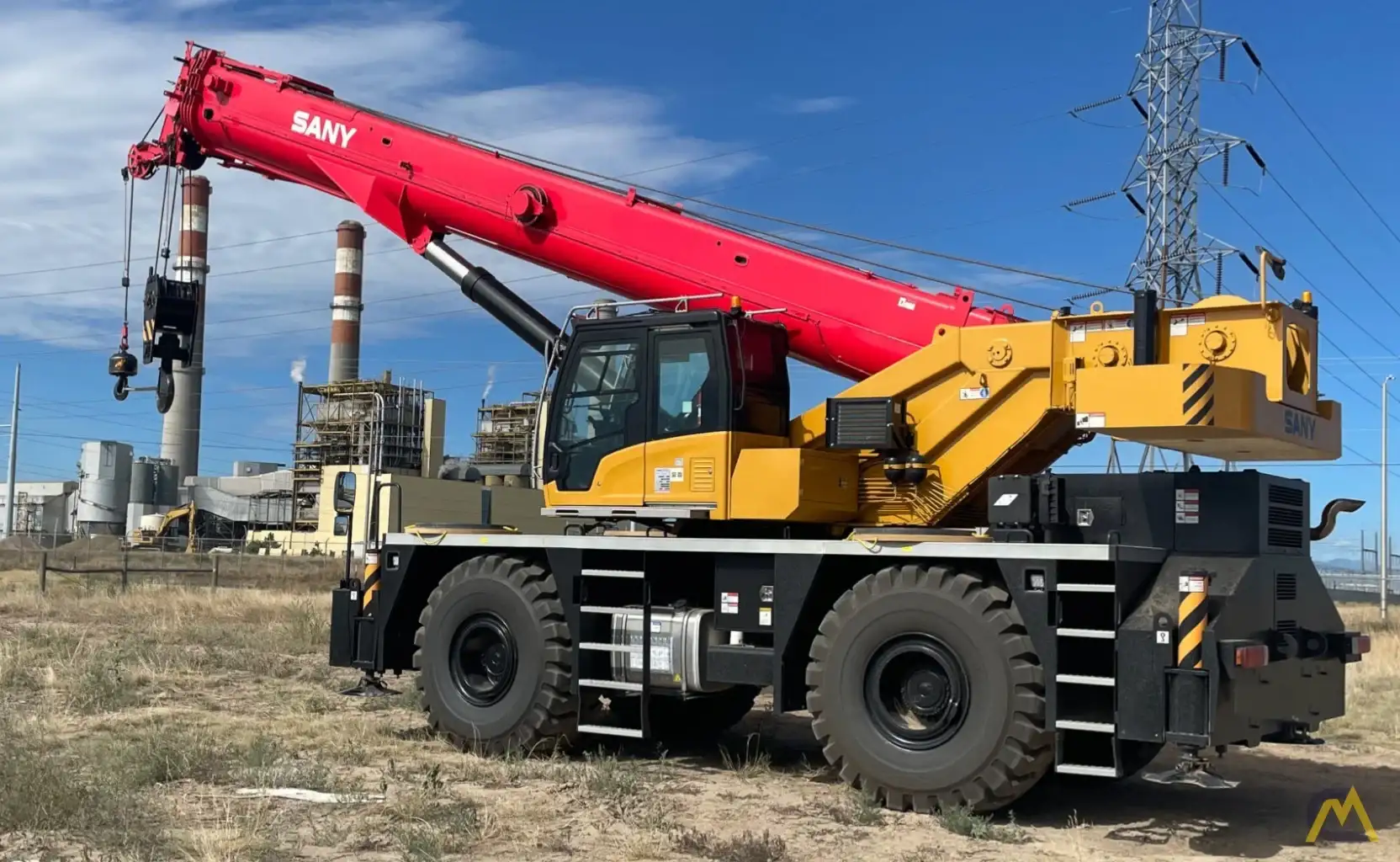
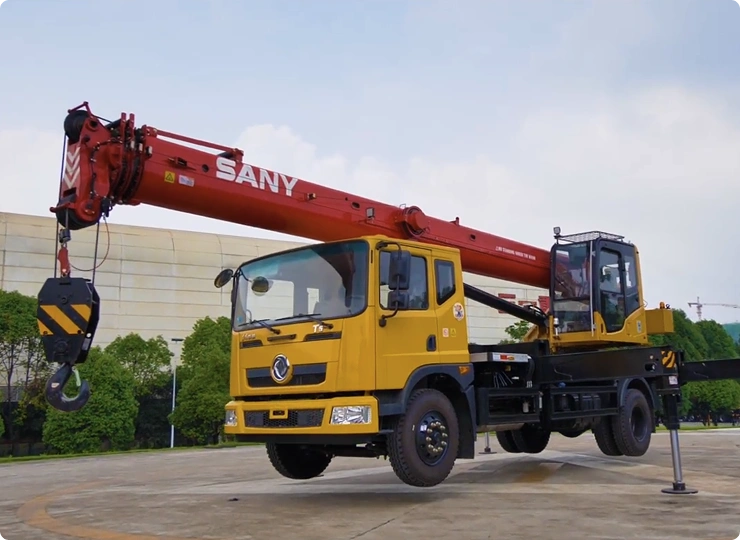
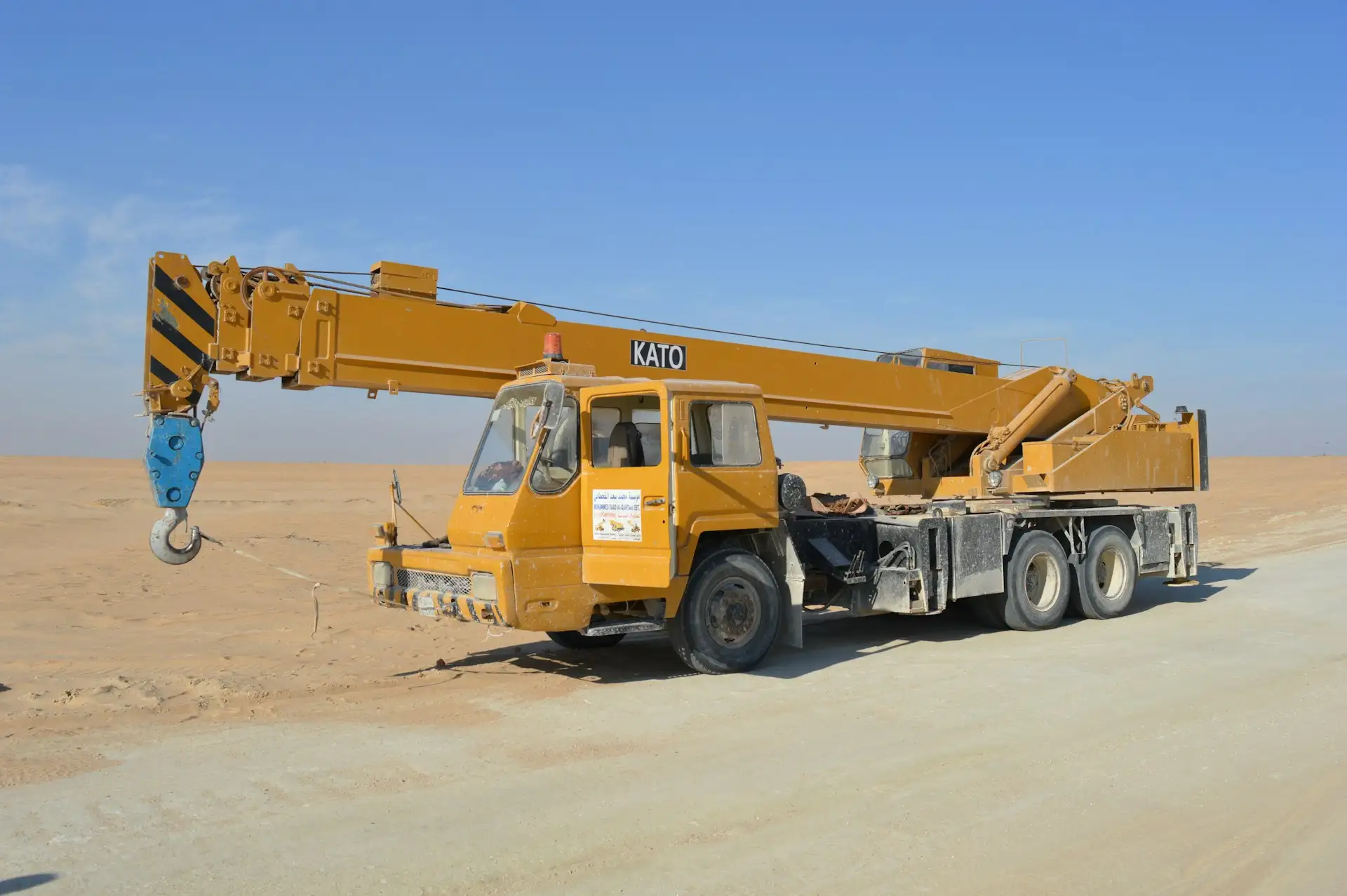
Another frequent mistake is choosing a crane based solely on availability rather than suitability. Factors such as lift radius, ground bearing capacity, access routes, and overhead obstructions must all be evaluated. Ignoring these details can force last-minute changes or compromise safety.
Poor communication is another major challenge. Clear coordination between operators, signalers, and site supervisors is essential. Misunderstandings during a lift can lead to dangerous situations and equipment damage.
Avoiding these mistakes requires careful preparation, experienced personnel, and the right equipment. A well-planned lift not only improves safety but also keeps projects on schedule and within budget.